Summer changes a professional dancer's clock. Days extend, routines loosen up, and with the right purpose, development that typically takes months can take place in weeks. I have viewed dancers jump a degree in between June and August, not because of skill alone, however because summertime develops the problems that serious training demands: focused time, consistent feedback, and the liberty to immerse without the sound of an academic year. Succeeded, summer season courses are not just more busy training. They are a critical reset that refines strategy, grows virtuosity, and builds the unteachable top quality every phase loves: presence.
Why summer season magnifies gains
The difference is density. Throughout the year, dancers zigzag in between academics, practice sessions, and social pulls. Strategy classes stay in the margins. In summer, the margins vanish. You move daily, sometimes two times a day, in a rhythm that allows neuromuscular patterns finally stick. The body prospers on repeating, but not mindless loopholes. It requires well-sequenced rep with step-by-step intricacy, and summertime timetables provide specifically that, particularly in programs that balance class types with smart progression.
There is likewise recuperation. Without late-night researching or hurried meals, your energy spending plan changes. When professional dancers rest a full eight or nine hours, moisten effectively, and consume with purpose, I see cleaner pirouettes and quieter landings within a week. You can not divide technique from physiology, and summer allows you align both.
The last advantage lives in interest. Professors in summertime intensives see you extra very closely since they see you more often, and since mates are curated. An adjustment provided on Monday can be reviewed on Tuesday, then pierced on Wednesday. That loop is where self-confidence expands. It's not an unclear radiance; it's a magazine of proof that your body comprehends what you're asking it to do.
Designing a summertime that increases your Dance Training
Not all summertime classes are developed equal. If your goal is velocity, seek programs or create your very own timetable with a mix of 3 components: grounding, development, and combination. Grounding constructs the technological spinal column, growth presses range and design, and integration knits whatever with each other on music and performance terms.
Grounding starts with method courses that respect placement. Daily ballet or an ordered modern-day method supplies uniformity for turnout auto mechanics, pelvic positioning, scapular stability, and foot articulation. You desire teachers that clarify the why underneath the what. If an instructor tells you to "raise the hip factors" without showing you how that engages with your ribs and breath, you are getting choreography for position, not technique.
Expansion comes from extra forms. Contemporary for floorwork literacy and weight play, jazz for rate and dynamic contrast, hip hop for based groove and timing, tap for balanced clarity, Pilates or Gyrotonic for core intelligence, and safe cross-training to support power without bulk. Designs draw on various coordination patterns, which speeds up brain-body mapping. It also avoids overuse by changing pressure vectors throughout the week.
Integration appears in repertoire, improvisation, and musicality. You need an area where corrections get tested under artistic stress, due to the fact that method that just exists at the barre or center isn't all set for phase problems. Summer repertory labs, companion work, and coached reviews require you to organize strategy while breathing, performing, and choosing.
The first two weeks: where the reset happens
The initially two weeks of a summertime program figure out the arc of your development. This is where you replatform your technique, and the options you make right here compound. I frequently encourage professional dancers to treat week one as diagnostic. Notification where you fatigue first, which improvements repeat, where you hold, and where you collapse. Do not fix every little thing simultaneously. Choose 2 technological top priorities and one imaginative top priority for the week. As an example, you might pick pelvis stability in adagio and controlled foot pressure consequently, coupled with a musicality focus on breath phrasing.
Week two needs to layer volume slightly, but not recklessly. If you started with one technique course plus one supplemental class per day, add a concentrated technique block of 20 to half an hour where you practice the morning's adjustments at low intensity. Because block, repeating is money. 5 mindful piqué transforms with the very same prep work, very same spot, same foot pressure will exceed 20 spread tries. Keep your nerve system calmness, not chasing after speed.
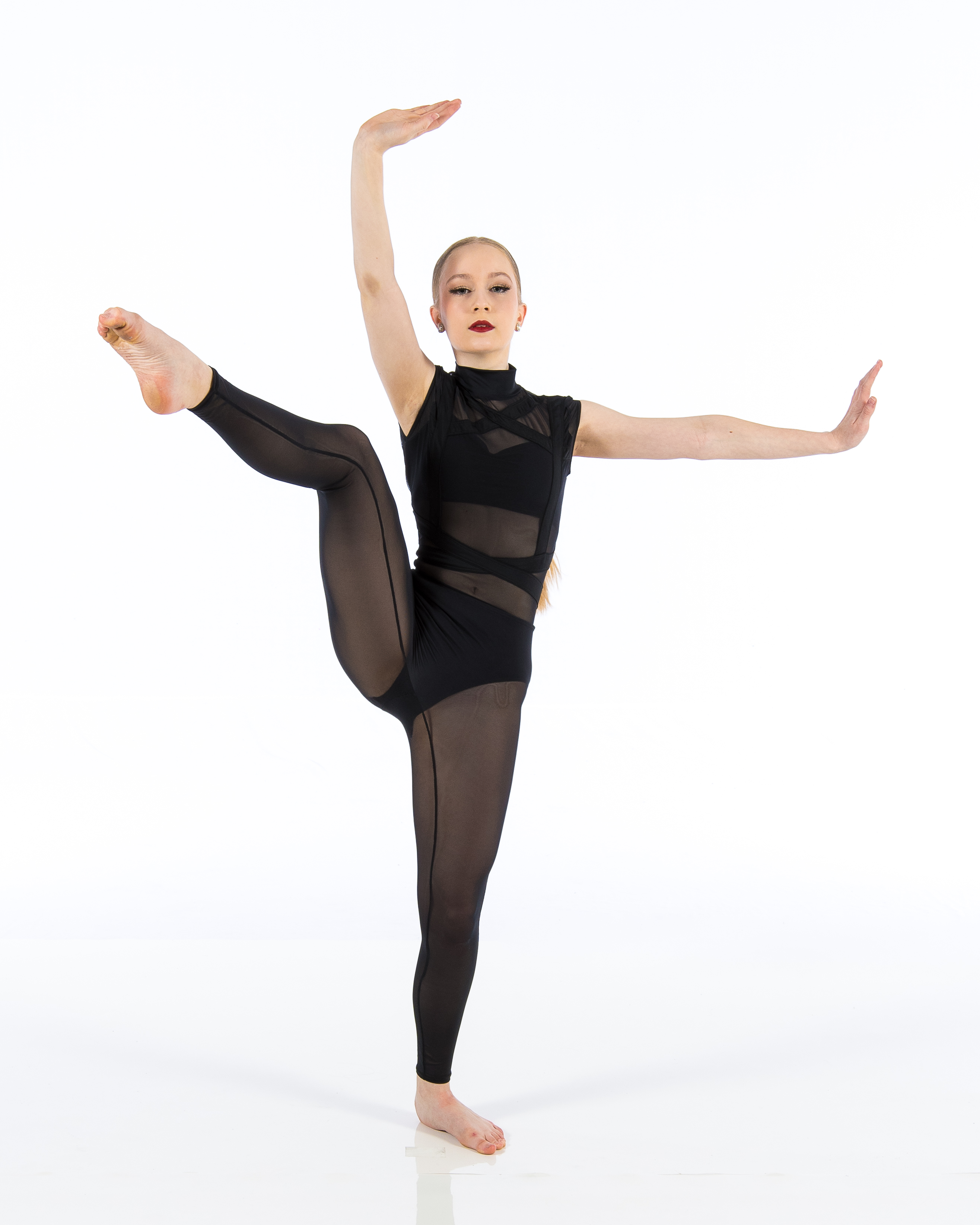
I have seen professional dancers transform fouettés in two weeks by stripping them to foundations: slow-moving passé to relevé without the whip, after that including a small whip with the arms just, after that layering yield and push from the flooring, after that finally tempo. The technique is patience with development and crisp self-observation. Video your method, research framework by structure, and compare what you think you're doing with what's visible.
The duty of daily ballet, also for business dancers
Some withstand ballet in summertime, suggesting it decreases or narrows variety. Made use of dogmatically, it can. Used wisely, it organizes motion and develops choices. Industrial professional dancers that maintain one daily ballet or an ordered strategy course discover their grooves land cleaner, their shapes picture quicker, and their transitions find out more pricey. Think about ballet as a grammar. It does not dictate your tale, but it ensures your sentences have framework and clarity.
Prioritize instructors that accept modern bodies and designs, and that train yield securely. Cueing that benefits neutral hips, axial size, and functional turnout from the deep potter's wheels will certainly protect knees and hips throughout categories. The objective is not the aesthetic of ballet alone; it's the performance ballet can give to every kind of Dance Training.
Coaching nerve: exactly how confidence really grows
Confidence is not invoked by compliments. It grows from proficiency under pressure. Summer season gives several low-stakes stages: workshop provings, in-class reviews, professors observation days. Rather than chasing after excellence, treat each revealing as a lab. Select a solitary efficiency intent per run, such as "lead with backspace" or "articulate the underscore" or "commit to the downbeat." After that, compose one sentence regarding what you felt and one evident change observed by a peer or instructor. Repeat. The log comes to be an information path that your brain makes use of to forecast success, which is the fastest remedy to pre-show nerves.
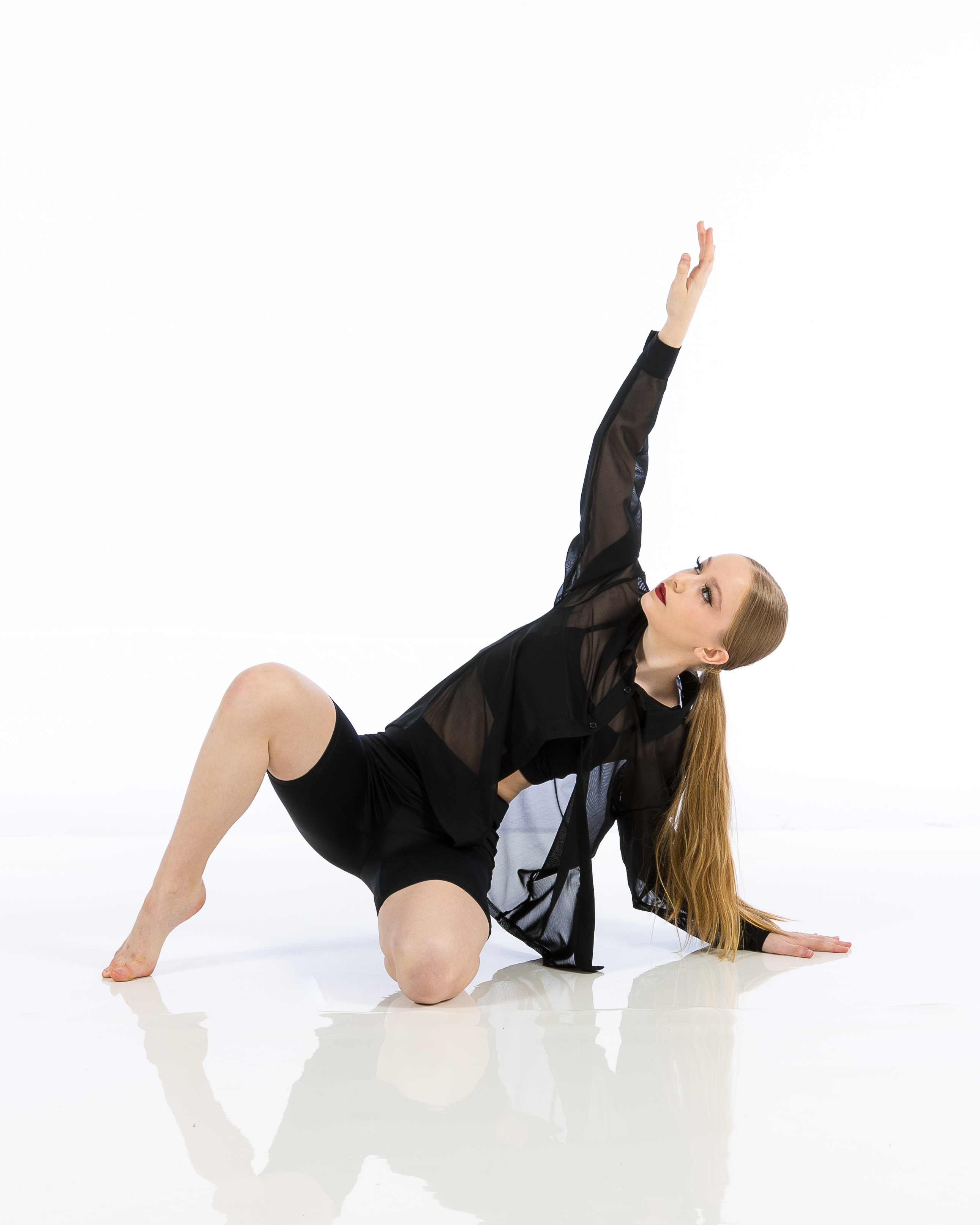
I when trained a 16-year-old who trembled in solos. Over 6 weeks, we really did not go after a perfect variation. We constructed a ritual: she named one technological support (breath count for the opening expression), one creative selection (intention with the eyes on the diagonal), and one healing plan if a turn tottered (leave clean, re-enter on the following matter). By the final proving, the trembling discolored. She trusted her strategy greater than she was afraid a slip.
The micro-skills that relocate the needle
Serious gains hardly ever originate from general suggestions. They originate from micro-skills, drilled till automatic.
- Turn preparation literacy: Fifty percent the battle is just how you established. Systematize the final two counts before any turn. Exact same breath, exact same weight transfer, exact same area. If you vary the tale each time, your vestibular system can not learn. A summer of the same preps has given dancers tidy triples that fought for increases all spring. Foot stress mapping: A lot of dancers either claw the flooring or skim it. Map the tripod of the foot in slow surges and in tendus. Visualize a soft wheel under the sphere of the large toe rolling forward, with the fifth met head secured. Practice fast relevés without heel slam on descent. Quieter feet are not simply quite; they are much more stable. Pelvic serenity under load: The hips is a translator. In adagio, maintain the crest line degree while relocating the thigh head easily in the socket. Make use of a mirror sparingly and tactile cueing more. Two fingers on the ASIS while lifting the leg can educate you more than another "hold your core" cue. Breath timing: Many professional dancers hold breath by crash throughout balances and jumps. Designate breath matters to phrases so breathing comes to be music, not unexpected. Your balance will certainly enhance due to the fact that the brain stops flagging oxygen financial obligation as a threat. Eye line as conductor: Where you look shapes proprioception and characteristics. Train your eyes to lead instructions adjustments, not follow them. It appears cosmetic. It is not. Fast instructions modifications maintain when the eyes are on time.
Cross-training choices that value the professional dancer's body
Summer invites extra strength. Select tools that add capability without taking mobility or line. Pilates radical, tower job, and bodyweight circuits that stress eccentric control are high worth. Light kettlebell deadlifts for joint patterning, single-leg RDLs for posterior chain balance, and grouped lateral walks for hip security can be incorporated seamlessly. Maintain tons modest, representatives in the 6 to 10 variety when Dance training discovering, and avoid failure collections during hefty dancing weeks.
Mobility is not simply extending. It is array under control. PNF techniques for hamstrings and hip flexors, end-range lifts for turnout potter's wheels, and thoracic spine turning drills support strategy. Fixed oversplits might look extravagant, however they can undercut if you do not have energetic control through mid-range. Prioritize drills that let you possess the shape.
For heart health and stamina, choose low-impact periods a couple of times weekly. An assault bike, rower, or swimming pool sprints develop capability without penalizing joints. Maintain sessions short, 12 to 20 minutes, with different work-to-rest ratios so you can adjust to choreography demands.
Injury-proofing while you accelerate
Increased lots raises threat. Managing it is part of specialist self-control. Soreness is not a medal. It is details. If a ligament grumbles with sharp or localized discomfort that heats up after that bites again later, back off and modulate quantity. Tiny niggles ignored in week 2 come to be bench time in week five.
Hydration and electrolytes make a visible distinction in touchdowns and focus, specifically in hot studios. Go for a baseline of half your bodyweight in ounces of water daily, then include 16 to 24 ounces around hefty sessions. Consist of salt, potassium, and magnesium, either via food or a well balanced supplement, to maintain cramping at bay.
Sleep is your best supplement. Nine hours is not indulgent during extensive weeks; it is fuel. Piling two-a-days on 6 hours of sleep transforms your strategy laboratory into a cardiovascular test. If you must choose between another combo class and rest, choose sleep once or twice a week. The following day's class will settle you.
Faculty matters more than facilities
Beautiful workshops and top quality intensives are tempting, but the alchemy of your summer resides professors who care, keep in mind, and instruct you, not just the room. I prefer to see a dancer invest 4 weeks with a mid-size program that supplies regular, customized improvements than chase after a stature logo where they are a number in the back.
Watch test courses or past video clips. Pay attention for cues that reveal anatomical literacy. Educators that demonstrate numerous paths to an adjustment show much deeper understanding. If every note is aesthetic without any practical map, development will stall. Ask how the program gauges development. Some keep written modification logs or revolve faculty for targeted comments. Those frameworks accelerate finding out due to the fact that they close the loop.
Building your individual improvement bank
Dancers who increase rapidly deal with corrections like currency. They accumulate, organize, and revisit them systematically. After course, create 3 things: one placement sign that transformed a sensation, one coordination cue that boosted an action, and one musical hint that altered the expression. Keep a running log by category: turns, adagio, allegro, floorwork, partnering.
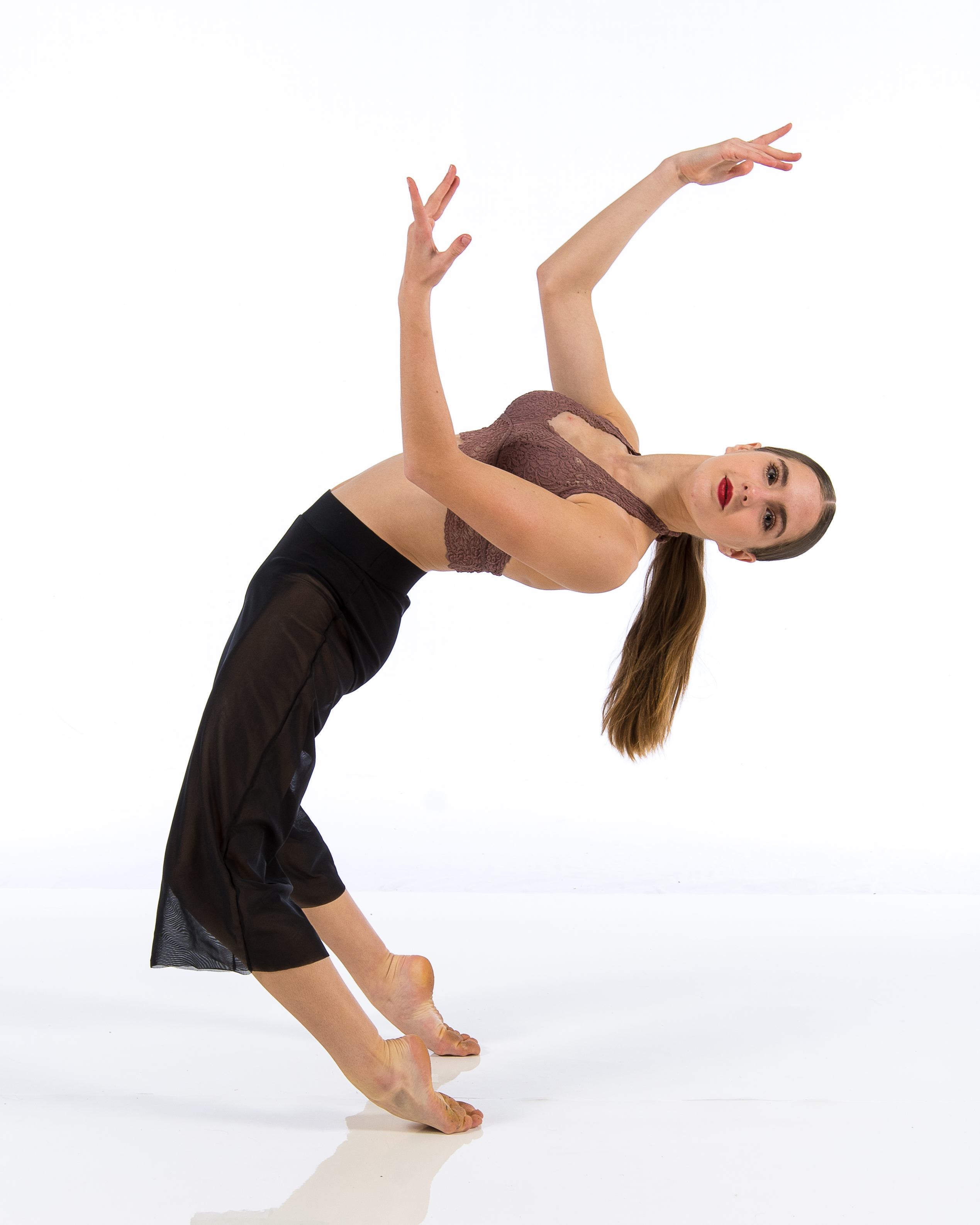
Every 3 days, choose 2 items from the log and rehearse them in your 20-minute technique block. Shut your eyes for component of it to improve proprioception. Then resume and confirm in the mirror or on video clip. This rhythm converts roaming advice right into a stable system. By August, you are no longer guessing what to service; your log dictates it.
The high-end of intention: dealing with summer like a residency
In elite business, residencies exist to deepen craft far from visiting and public stress. Your summer can work the same way, scaled to your life. Treat your training day keeping that severity. Arrive early adequate to roll, prime the feet and hips, and wake your ribcage. After class, cool down purposely: a brief parasympathetic breath series, gentle joint flossing, and a small protein-forward meal within 60 mins. This rhythm signals to your body that it is secure to adapt.
Carry yourself in between classes with a calm that supports emphasis. Social power fits, yet if every break is a loud sprint, you invest recuperation budget plan on chatter. Curate your soundtrack, your treats, your journal, your apparel so the day really feels curated, not chaotic. High-end, in training terms, is not extravagance. It's comprehensibility. When the items fit, your method looks inevitable.
Balancing style diversity with technical integrity
Summer welcomes sampling. That is healthy, however grazing without digestion gives you surface-level knowledge, not deepness. If you include brand-new styles, commit for long enough to embody their auto mechanics. Contemporary floorwork demands back fluidity and a comfort with off-center energy. Take a series of courses with the exact same instructor for 2 weeks so your body remembers their phrase structure. Jazz asks for crisp seclusions and assault. Exercise the very same across-the-floor for several days to develop timing. Hip jump requests for groove ownership and weight on the beat. That takes everyday rep in small expressions, not one uniqueness class every few days.
Protect your technological back while you explore. If a course presses range in manner ins which aggravate joints, regulate forms without apology. Specialists adapt choreography to their bodies regularly. The creativity remains in the option, not in self-sacrifice.
Nutrition as a performance edge, not a punishment
Summer often attracts extremes: restrictive consuming in the name of lines, or disorderly snacking between back-to-back courses. Neither supports performance. Anchor each training block with carbs and protein. Think Greek yogurt and fruit prior to early morning class, a rice bowl with salmon and veggies at lunch, a smoothie with milk, banana, and peanut butter between sessions, and an actual dinner rich in top quality protein and color.
Aim for at the very least 1.6 to 2.2 grams of protein per kilo of bodyweight when training intensively. Disperse it throughout the day, not just during the night. Carbohydrates are not the adversary; they are the choreography of power. Focus on easy-to-digest alternatives before class and fiber-rich vegetables away from extreme sessions. If warmth and hunger clash, lean on fluids: drinkable yogurts, mixed soups, and smoothies.
Audition preparedness as an all-natural byproduct
Some treat summer season as a tryout bootcamp. That attitude can backfire by surging anxiety. The very best tryout prep is outstanding day-to-day Dance Training experienced under pressure. If your summer includes repertory showings, simulated auditions, and camera days, you will certainly get here in the autumn seasoned. Use these moments to examine your entry, your slate, the means you pick a downstage mark, exactly how quickly you grab directional modifications. Improve the tiny professional information: an extra pair of shoes ready, hair that sits tight through floorwork, a workout that does not sprawl into the hallway.
Confidence grows when your process really feels repeatable. When a panel says "one more time," your mind ought to hear "we know this."
Parents and guardians: just how to sustain without suffocating
For younger professional dancers, the environment around them can enhance or drain pipes progress. The most effective support looks burning out from the outside. It is reliable adventures, nutrient-dense grocery stores, laundry that rotates quickly, a quiet corner for journaling, and discussions that ask, "What did you learn today?" not "Were you the very best?" Appreciation effort, highlight specific enhancements you saw, and help them secure rest. If a program maintains late hours, supporter for one light day per week. Overprotecting harms, yet so does outsourcing all decisions to a teen brain that thinks it is invincible. Guide the container, allow them possess the craft.
When to pull back, and when to lean in
Acceleration is not linear. You will strike a mid-summer plateau around week 3 or four. This is typical. Your nervous system is rearranging. Lean right into fundamentals for 2 days rather than including a new class. Rest an added hour. Increase hydration. Commonly, the development comes 2 days later on. If it does not, get targeted responses from an instructor you trust fund. Request for one workout to address one concern, then pierce it daily for a week. Prevent the urge to overhaul everything.
Pull back right away if pain changes your motion pattern. There is no badge for gritting through a developing anxiety response. Unload with swimming pool job, upper-body conditioning, or musicality drills. Maintain the routine of training while eliminating the insult to the tissue. This protects confidence while you heal.
A sample week that respects art and anatomy
Here is a balanced five-day structure that numerous advanced teenagers and pre-professionals take care of well throughout summer. Get used to your level and recovery.
- Morning: 30-minute workout, 90-minute technique (ballet or contemporary), 15-minute cool-down. Midday: 60-minute supplemental toughness or Pilates on 2 days, contemporary or jazz class on 3 days. Afternoon: 90-minute repertory or composition lab, 20-minute individual practice block for micro-skills. Evening: Mild wheelchair or breathwork, after that off screens an hour before bed.
Weekends rotate in between full remainder and light play: a swim, a walk, a museum, real-time songs. Art feeds art. Your dance improves when your senses are nourished.
The silent transformation
The elegance of summertime training is just how quietly it changes you. The first week, you will certainly notice sore calf bones and tighter buns. The second, your balance steadies. By the third, teachers begin utilizing you as a trial more frequently. In the fourth or fifth, you go down into expressions with a confidence that seems like brand-new skin. The technique is actual, however the deeper shift remains in just how you carry on your own. You discover that you can ask your body for more and it addresses. You find out that training is a gift, not a judgment. You find out that deluxe in dance is the advantage of time spent with care.
Come September, you will certainly not require to introduce your development. It will certainly show in the way you enter a room, in the noise of your landing, in the calm of your area. That is what five or 6 weeks of intentional, well-structured summer season classes can deliver. Not magic. Not good luck. Just the patient, splendid velocity that takes place when training is dealt with as craft, and your days are arranged to honor it.
Business Name: Doty Performance Website: https://www.dotyperformance.com/ Phone: +1 (503) 822-5276 Address: 20345 SW Pacific Hwy #306, Sherwood, OR 97140, United States About Doty Performance: Doty Performance is a dance studio in Sherwood, Oregon that offers a variety of dance programs for all ages and levels of dancers. We have classes for Ballet, Tap, Jazz, and Hip-Hop. So if you are looking for a dance studio near me that welcomes all skill levels, ages, and genders, look no further than Doty Performance dance studio.